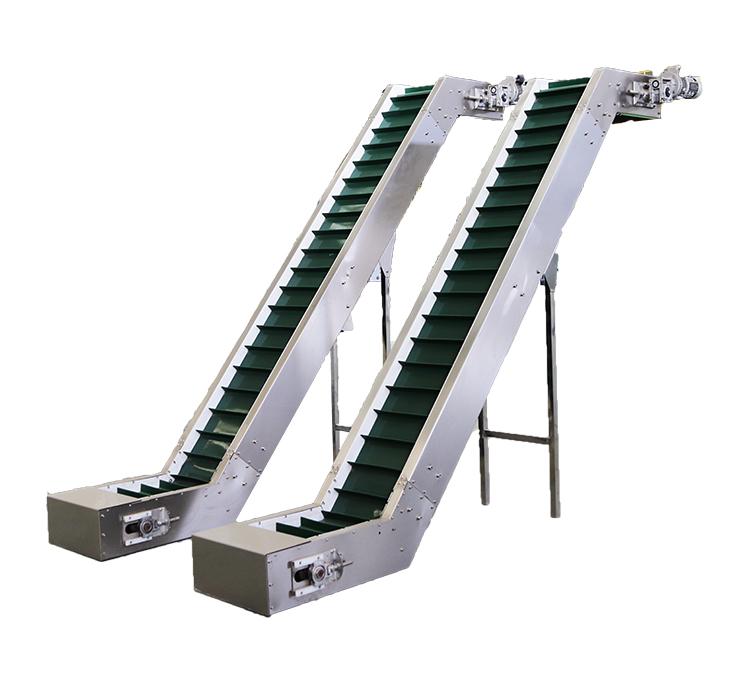
Belt conveyor working principle and detection knowledge:
1. Working principle of conveyor
When the transmission device drives the transmission drum to rotate, the belt is tightened between the measuring rollers through the tensioning device, causing friction between the transmission drum and the belt to drive the belt to run. The materials are added to the belt conveyor from the feeding device, transported to the unloading device and then discharged.
2. Inspection before conveyor operation
1. Confirm that the equipment has safety requirements for on-site operations;
2. Confirm that the bag dust collector of the equipment is started and running;
3. Select the selector switch on the on-site control box to the correct position;
4. Are the fastening bolts loose?
5. Whether the lubrication condition of each lubrication point is good;
6. Whether the scraper of the sweeper is adjusted in place;
7. Check whether there are foreign objects on the belts and rollers;
8. Check the belt for tears, burrs and lint;
9. Check whether the roller rotates flexibly and whether the roller is severely worn and needs to be replaced;
10. Check whether the belt baffle is intact;
11. Whether the brakes, limit switches and protective devices operate sensitively and reliably.
3. Inspection of conveyor during operation
1. Check whether the cutting material is even;
2. Check the motor and reducer for abnormal vibration and heat;
3. Check whether the unloading port is blocked;
4. Check whether the position of each dust collection valve is correct;
5. Whether the belt is off track.
4. Shutdown inspection
1. Check whether the belt baffle needs to be replaced;
2. Check whether the lubricating oil at each lubrication point needs to be replenished;
3. Check the tension of the transmission chain;
4. Check whether the position of the cleaner and scraper is correct;
5. Check whether there is material accumulation at the discharge port and whether there is any abnormal wear;
6. Check whether the belt joint is intact;
7. Check that the roller rotates abnormally or replace it if it is severely worn;
8. Keep the belt surface and roller surface clean.
5. Handling of abnormal situations
1. When the following situations occur during operation, emergency stop should be made on site:
2. The belt deviates seriously and material leakage is serious;
3. The belt is torn;
4. The motor bearings make abnormal noise or heat;
5. The chain falls off, breaks or makes abnormal noises